
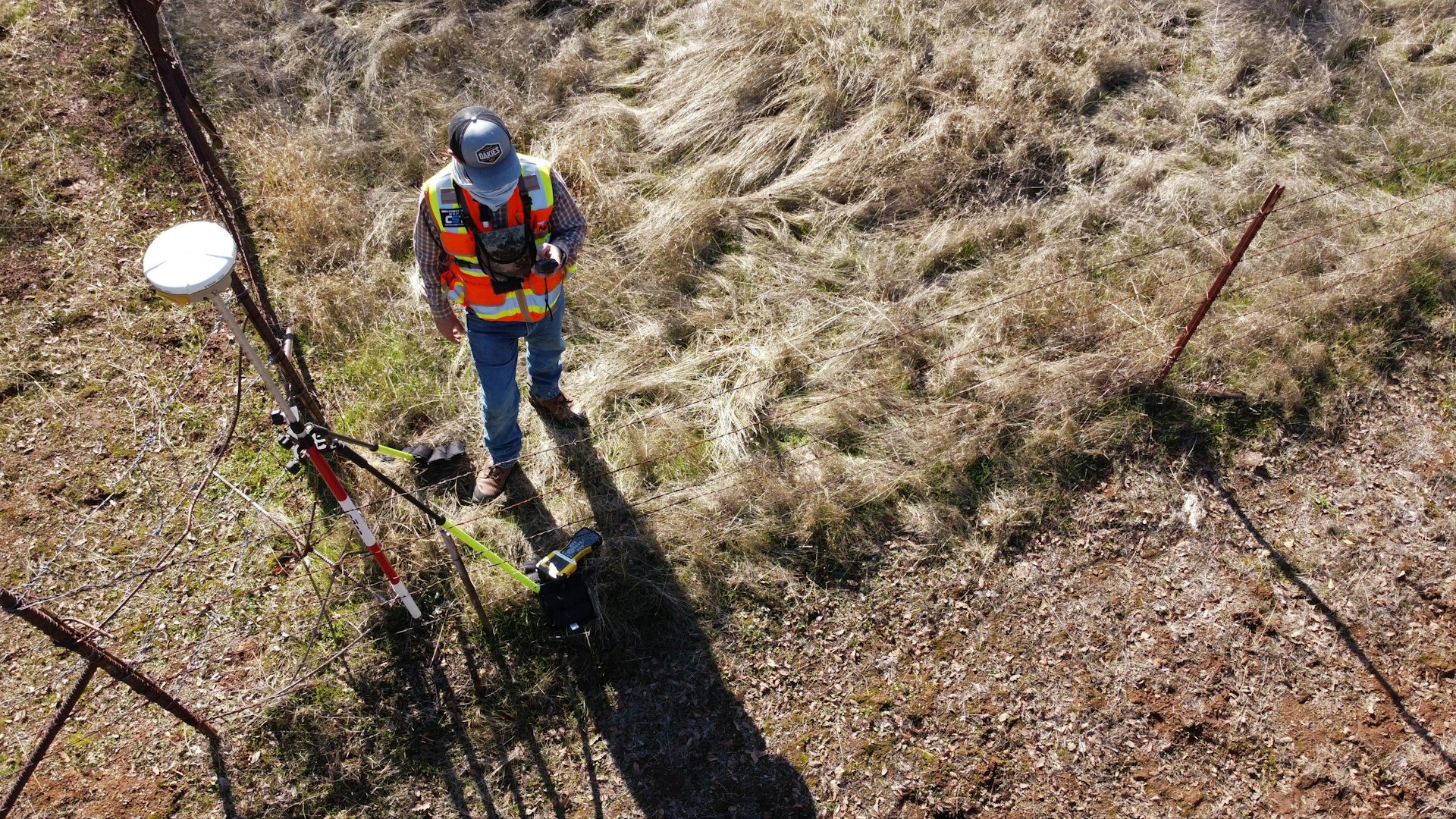
Before excavation begins, you need a clear picture of what may be below the surface. Underground electricity, gas, water, sewer, telecommunications and stormwater services can sit beneath areas that look clear above ground, and older plans may not show every line accurately.
As late winter eases and spring construction schedules begin to fill, utility locating in Newcastle gives project teams time to identify possible underground constraints before machinery arrives. We see this early work support safer decisions, clearer site planning and fewer surprises once earthworks begin.
Protect Your Site Before Spring Construction
Excavation, trenching and site preparation can create serious risks when underground assets have not been investigated. A buried cable or pipe may be shallow, offset from its recorded position, or part of a private service that is not shown on available utility plans.
Striking a service can create immediate hazards for workers and nearby properties. Depending on the asset involved, this may include electric shock, a gas leak, flooding, sewer issues or loss of communications. These events can also affect neighbouring homes, businesses and public infrastructure.
The commercial impact can be just as disruptive. Damaged assets may lead to work stoppages, repair requirements, insurance claims, delays and potential responsibility for interrupted services. Instead of treating locating as a last-minute task, we recommend making it one of the first steps before site mobilisation.
Early investigations can help you:
- understand likely service constraints before finalising work areas
- support more accurate construction planning and pricing
- identify areas that may need extra care during excavation
- give site teams time to prepare suitable controls
Hidden Services Can Stop a Project Overnight
Established sites are rarely simple below ground. Across Newcastle, older residential blocks, industrial land, infill sites and properties with several past upgrades may contain services installed at different times. Some may have been altered, abandoned or extended without complete records being available.
Problems can arise in work that appears straightforward, including driveway construction, retaining walls, drainage installation, pool excavation, subdivisions, roadworks and commercial developments. A service crossing a proposed accessway or sitting close to a new footing can change how the work needs to be carried out.
Available utility plans are a useful starting point, but they are not the same as on-site verification. Plans may not show exact depths or offsets, private services, recent alterations or every asset present within a work area. Visual inspections and assumptions alone cannot provide enough confidence before high-risk ground disturbance.
For utility locating in Newcastle, we combine available information with site-based investigation to identify likely service positions before excavation starts. This gives you a more informed basis for design, supervision and construction planning.
How Utility Locating in Newcastle Reduces Risk
A professional locating process starts by reviewing the site, the proposed works and the information available. Our team then applies appropriate non-destructive investigation methods to help identify and mark underground services within the relevant area.
Methods can include electromagnetic locating, ground penetrating radar and other investigation approaches suited to the site conditions and service types. No method can guarantee that every underground asset will always be identified, particularly where records are limited or ground conditions are difficult. Qualified investigation does, however, give your project team much stronger site knowledge than relying on drawings alone.
Marked services and documented findings can help contractors set exclusion zones, choose safer excavation methods and brief workers before work begins. This is particularly important when mechanical excavation is planned close to known or suspected infrastructure.
Service information can also influence wider project decisions, such as:
- building and footing locations
- drainage paths and stormwater design
- road alignments and access arrangements
- service connection planning
- construction sequencing and work zones
Plan Better Around Complex Service Networks
Underground service information works best when it is considered during feasibility, concept design and detailed planning, rather than after plans are locked in. Newcastle has a mix of older suburbs, commercial precincts and developing areas, each with different service challenges. Congested corridors, easements and private lines can all affect what is practical on site.
When services are found late, teams may need to move structures, alter finished levels, revise access routes or rethink drainage solutions. Those changes can place pressure on approvals, documentation and construction programmes. Finding constraints earlier gives engineers, surveyors, planners and contractors a chance to work from the same understanding of the site.
Coordination matters because each discipline sees the project from a different angle. Civil engineering can respond to levels, drainage and infrastructure needs. Land surveying can provide reliable spatial information. Town planning can consider how site constraints affect the proposed development. Contractors can identify practical construction requirements. We bring these views together so underground information can shape decisions while there is still room to adjust.
Arranging investigations before spring activity increases can also reduce rushed decisions. It gives you more time to incorporate findings into survey work, design documentation, approvals and site preparation. For projects extending across Lake Macquarie, the Central Coast and surrounding NSW areas, this early coordination can be especially helpful where work involves multiple sites or stages.
Coordinate Safe Excavation From Design to Handover
Utility locating should not be treated as a one-off compliance item. Conditions can change when designs change, excavation footprints expand, new service connections are planned or different contractors come onto site. In these situations, updated checks may be appropriate before work moves into a new area.
We recommend considering utility locating in Newcastle during property due diligence, subdivision feasibility reviews and early development investigations, especially where substantial earthworks or infrastructure upgrades are proposed. Knowing what may be underground can help you assess site constraints before committing to layouts and construction methods.
Clear communication is just as important as the investigation itself. Site markings, survey information, locating reports and pre-start discussions help relevant workers understand where known services are located and what controls apply. Near identified or suspected assets, a cautious approach may involve hand excavation, potholing, permit requirements and guidance from the asset owner before mechanical excavation proceeds.
Make Underground Knowledge Part of Your Build Plan
Reliable site information helps protect workers, nearby property, community services and project timeframes. Before any excavation begins, make sure the team understands what information is available, what has been verified on site and where uncertainty remains.
For spring earthworks, development applications, subdivisions, civil works and infrastructure upgrades, early utility investigation turns an unknown below-ground risk into a practical item that can be planned around. That knowledge supports safer work from the first mark on the ground through to final site works.
Build With Greater Certainty
Metiri helps project teams make informed decisions before works begin. Our utility locating in Newcastle services provide clear, reliable information to support safer planning and delivery. To discuss your site requirements, contact us today.